
Gutter Services in Grand Rapids, MI
Historic District Rules Come Before the Quote
Grand Rapids is the one city on this list where the paperwork can outlast the work. In Heritage Hill, which holds around 1,300 houses dating back to 1844, exterior changes and repairs need approval from the Grand Rapids Historic Preservation Commission before anything is fastened to the building. That includes a gutter run being replaced rather than repaired, and it is why we ask what side of Union Avenue or Lafayette Avenue a house sits on before quoting a timeline. The second thing that separates this city is where the water is permitted to end up. City ordinance treats roof-drain discharge as stormwater, which means it cannot be run into the sanitary sewer and cannot be dumped where it becomes a nuisance next door. On top of that, the city runs a Footing Drain Disconnection Program that moves foundation drainage out of the sanitary system in targeted neighbourhoods, and homes caught up in that work often have downspout arrangements that were reworked at the same time. Knowing what is already buried at the discharge point changes what we quote.
Where Roof Water Is Allowed to Go
The housing stock is the third factor. Heritage Hill, Creston and the streets running off Fulton Street toward Eastown carry a lot of pre-war construction with deep overhangs, original fascia and mature oak and maple directly above the roofline. That combination produces the specific failure we see most often in the city: a trough that fills faster than the suburbs, overflows at one corner for a couple of seasons, and quietly soaks a board that was never wrapped. By the time the gutter is visibly sagging, the fascia repair is the larger half of the job. On these houses we check the board before quoting the trough, because a repair scoped without looking at what is behind it is a repair that comes back.

Gutter Repair on Pre-War Board
Gutter repair inside the city usually turns into a conversation about the board rather than the trough. Houses through Heritage Hill and Creston were built with generous overhangs and unwrapped fascia, and a hundred-odd winters of overflow at the same corner leaves a board that will not hold a new fastener. We test the board first and quote the trough second. Where the property sits inside the historic district, the further question is whether the work counts as repair or as an exterior change, because the second answer means the Grand Rapids Historic Preservation Commission sees it before we do. Resealing a seam and rehanging an existing run generally sit on the simpler side of that line. Replacing a visible run on a street elevation does not, and we would rather raise that at the quote than discover it halfway through the job.
Guards Under a Mature City Canopy
Guards make more sense in this city than in most of the communities around it, for one reason: the canopy. Streets through Creston, Eastown and Belknap Lookout carry mature oak and maple standing directly over the roofline, and the debris is not only whole leaf but seed and grit that an open screen passes straight through. Micro mesh earns its cost quickly on those lots. What we will not do is fit guards to a run that is already out of pitch or hanging on soft board, because covering a failing system just makes it harder to see failing. On protected elevations we also check whether a visible covered system changes the appearance enough to need review before it goes up, since that is a question better asked than assumed.

Replacement on Protected Elevations
Replacement in Grand Rapids is scoped elevation by elevation, and the reason is the historic district. A back run out of public view and a street-facing run on a Heritage Hill house are the same work with entirely different approval paths, and pricing them as one job hides that from you. We quote them separately. The other city-specific factor is the discharge end. Because roof water here cannot go into the sanitary sewer, and because the Footing Drain Disconnection Program has already reworked buried drainage on a good many streets, a replacement is the natural moment to find out what your downspouts actually connect to. We trace that before the new run goes up rather than reconnecting to whatever was there. Where an elevation faces the street inside Heritage Hill, we also confirm what the Grand Rapids Historic Preservation Commission expects to see before the run is ordered, since colour and profile are part of that conversation.
Gutter work for Walker and the Grand Rapids metro, scoped on site before anything is quoted.
Proudly serving Walker, Grand Rapids, Grandville, Comstock Park, Allendale and Jenison for years.
Comprehensive Gutter Services Services in Walker
Tailored to Your Needs
Ten services, and the difference between them is scope rather than sales. A blocked trough, a failed seam, a fascia board that has taken on water and a full seamless replacement are separate jobs with separate costs. Start with the one that matches what your roofline is doing.
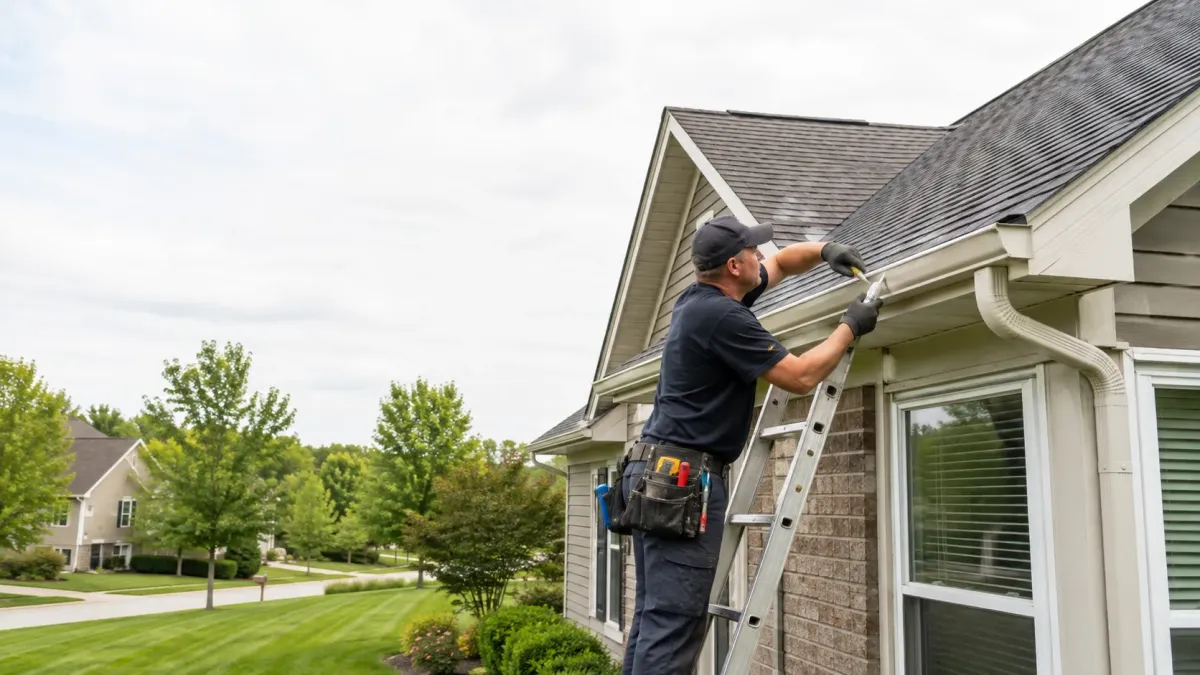
Repair establishes whether a run failed at the seam, the hanger, or the board.
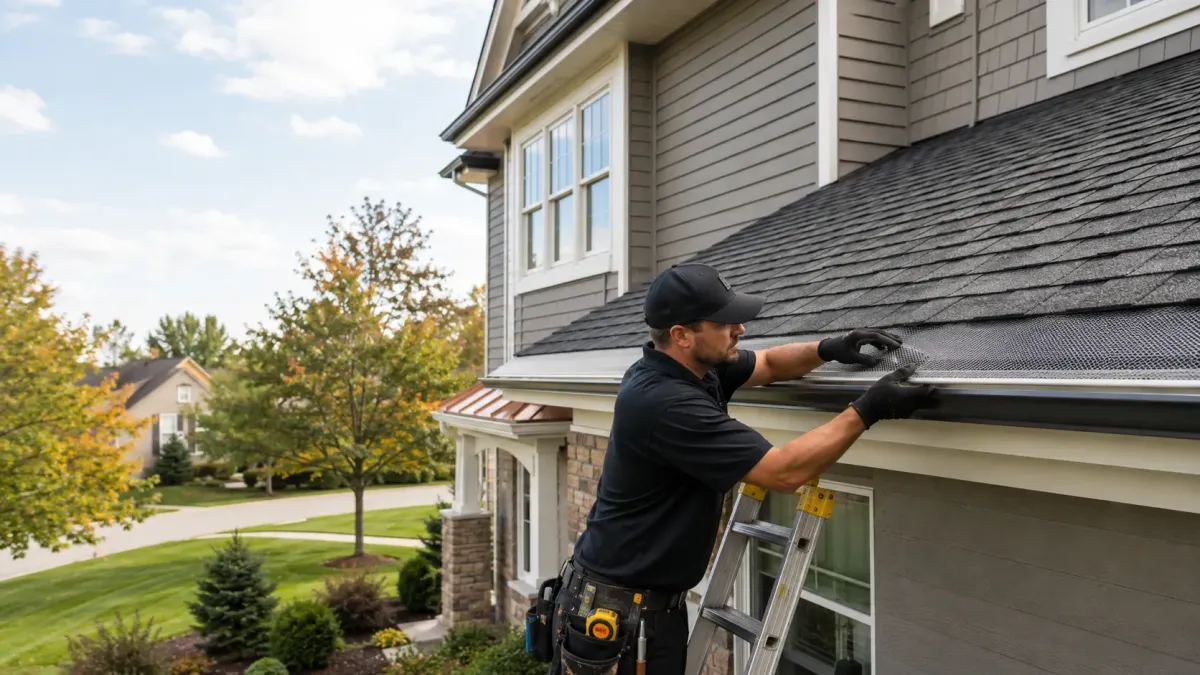
Guard selection determines how much debris stays out without shedding water past the trough.

Replacement establishes new pitch, new outlets and sound board behind the entire run.
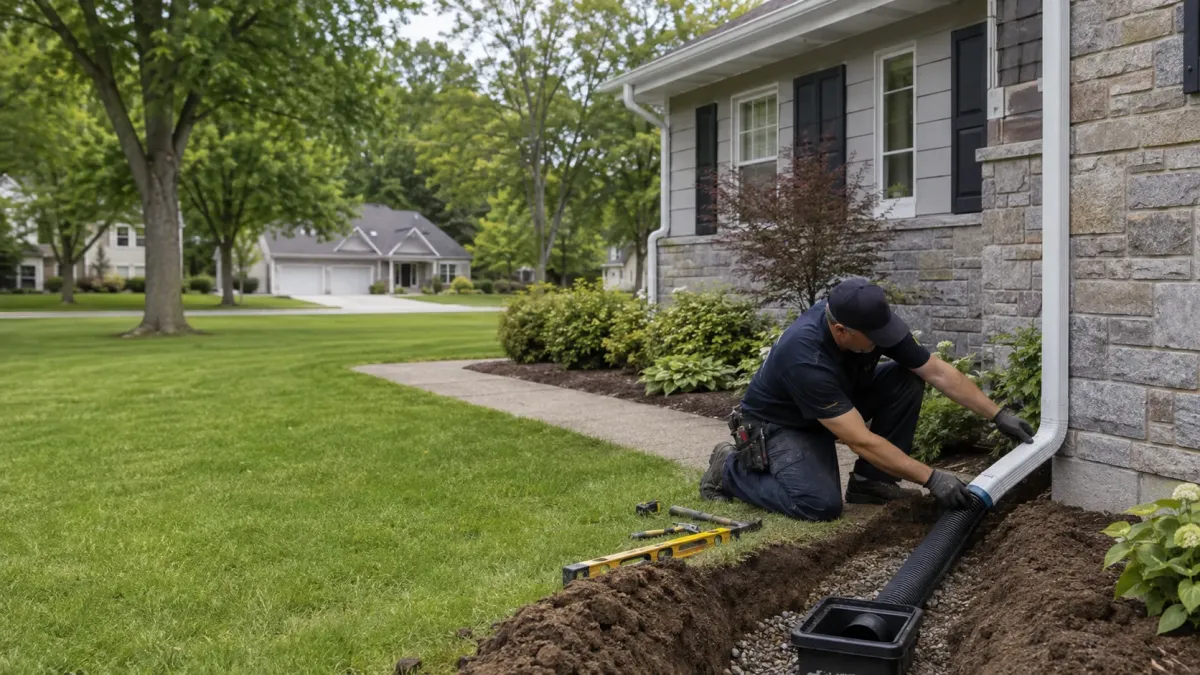
Downspout work determines where roof water actually leaves the property.
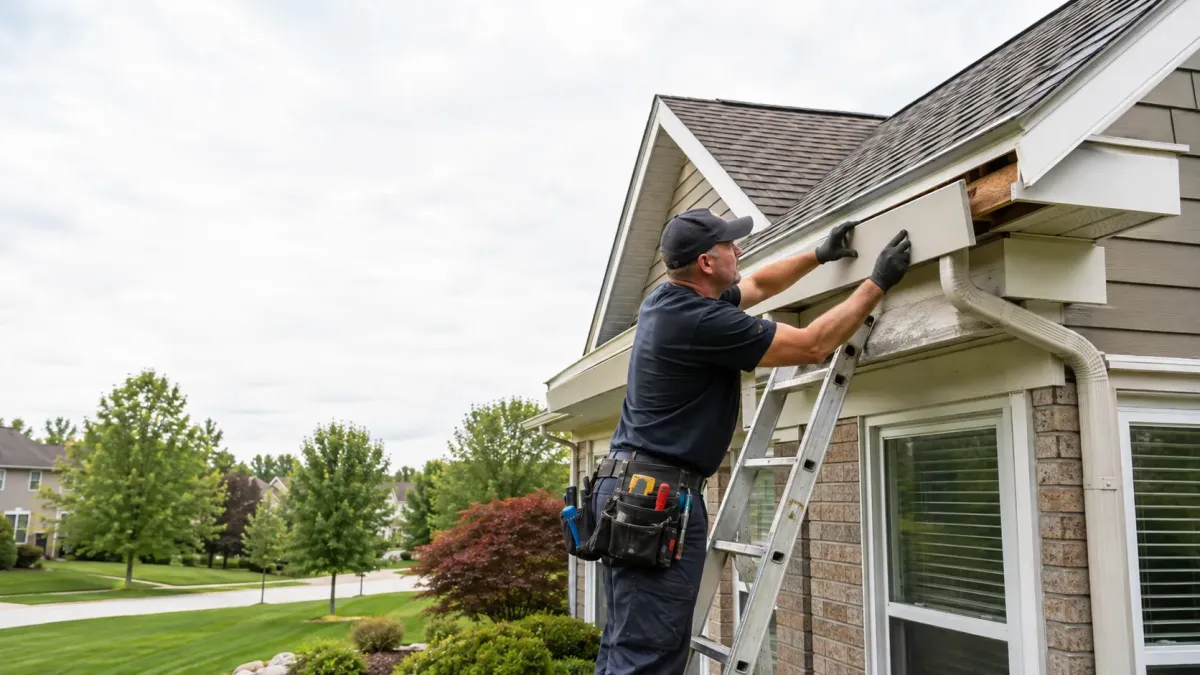
Fascia work restores the surface a gutter is fastened to and the venting behind it.
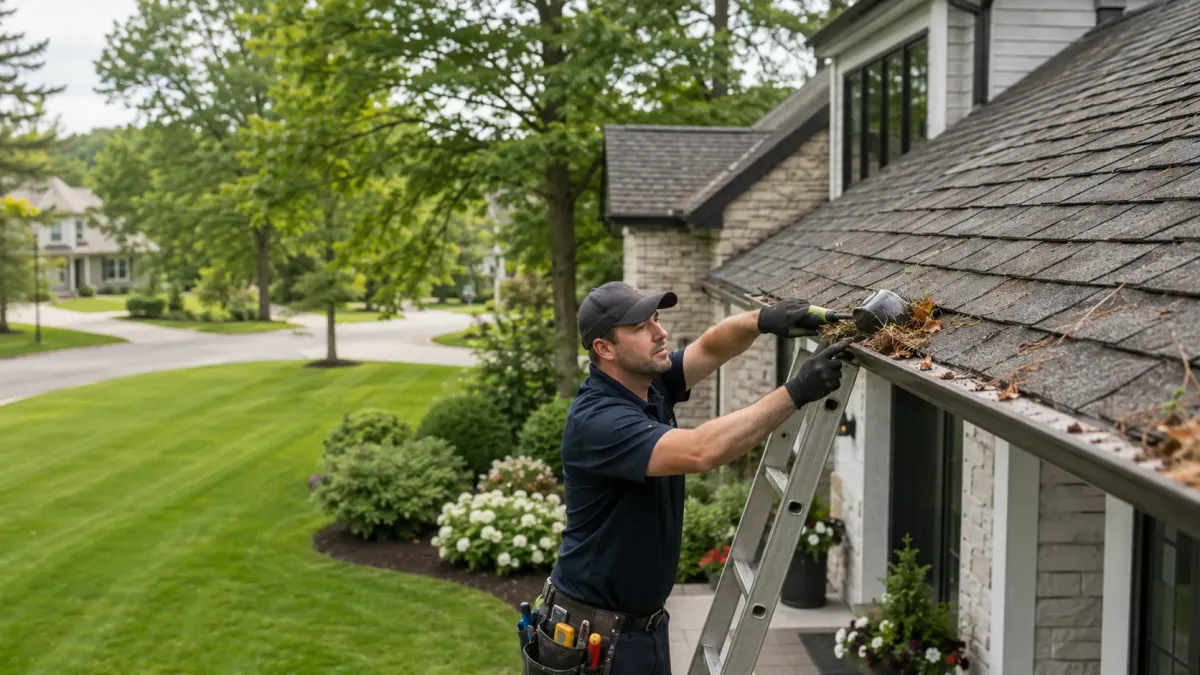
A cleaning clears the trough and shows what the run is doing under load.

Seamless installation removes the mid-run joints that open as metal moves in winter.
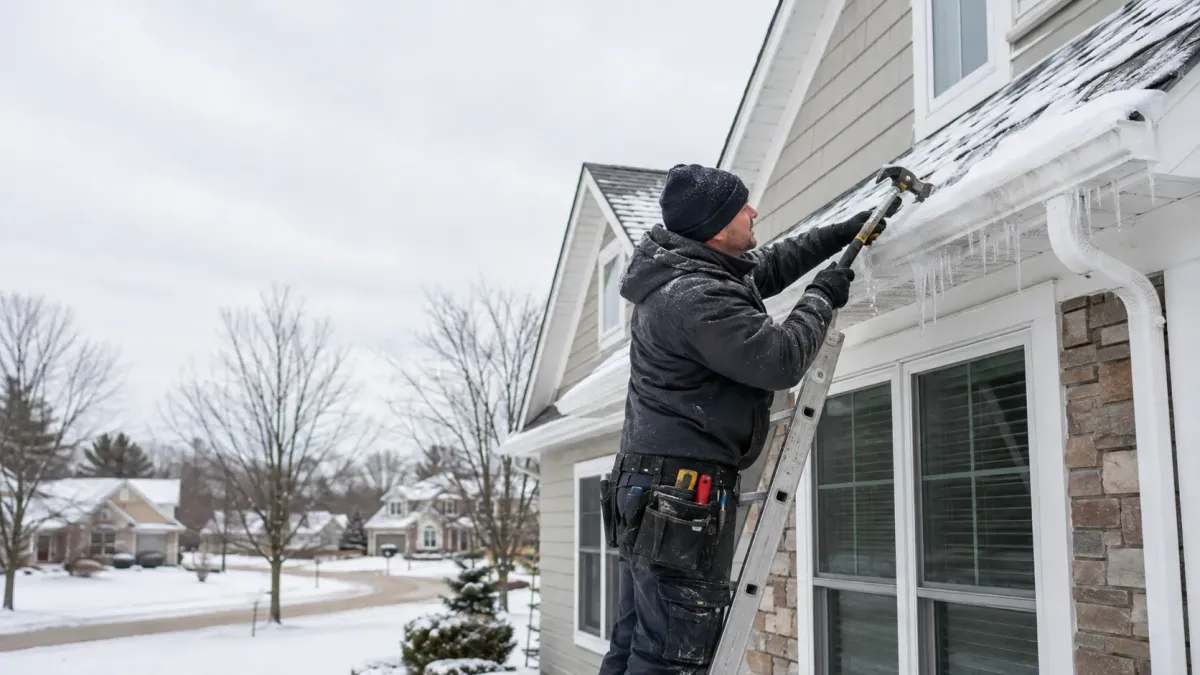
Ice work clears the eave and identifies why the dam formed there.
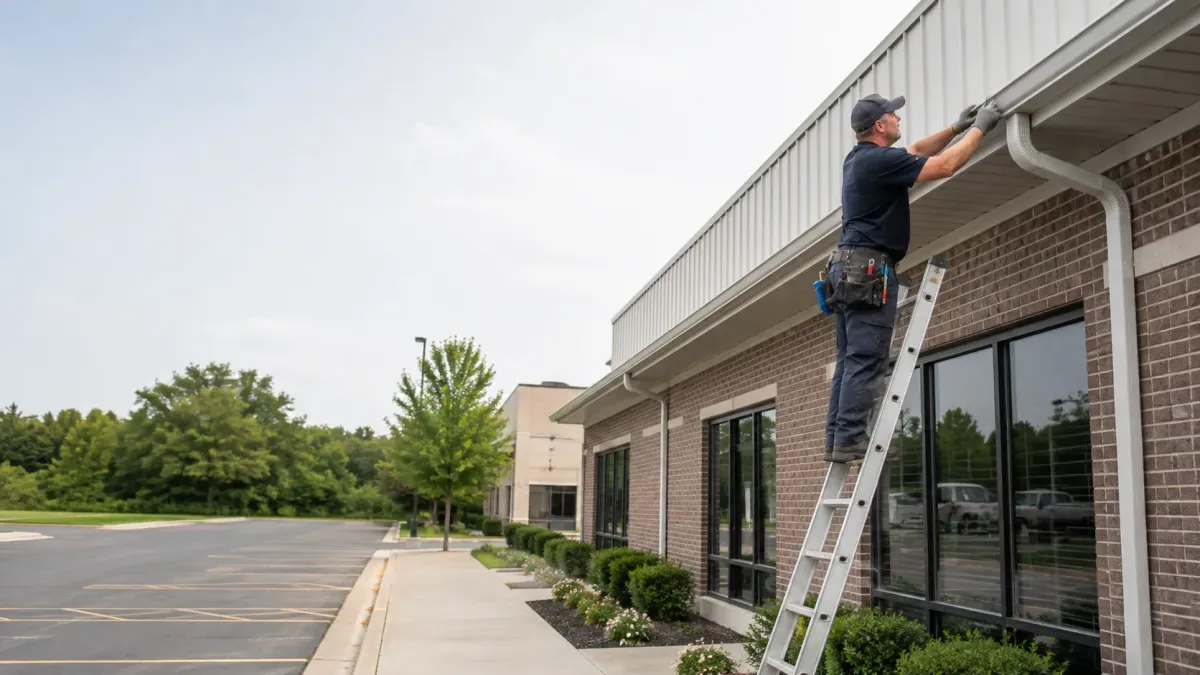
Commercial work sets a schedule and a written condition record for each building.
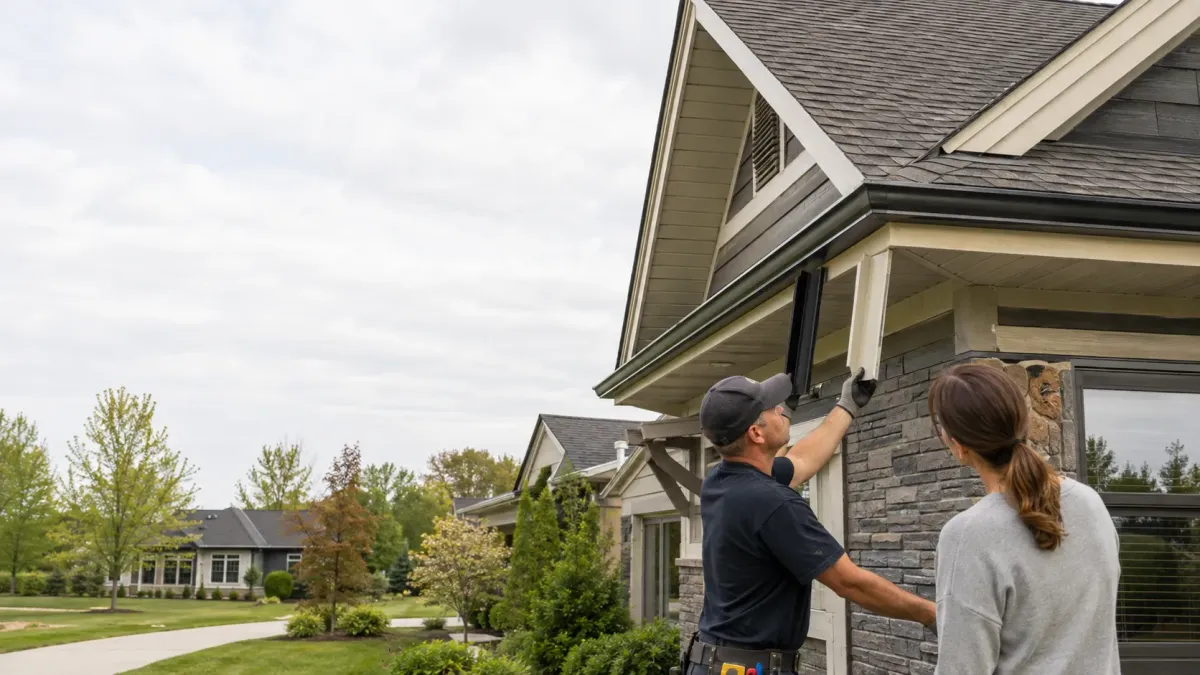
Material and profile choice sets service life, capacity and how the run looks.
Frequently Asked Questions
Gutter Services can be complex, and we’re here to provide answers to common questions. Here are some frequently asked questions from our clients.
Frequently Asked Questions about gutter cleaning grand rapids mi
How much should a gutter cleaning cost in Walker?
There is no single figure, because cost follows the total run of gutter, the height and pitch of the roof, and how compacted the debris has become. A single-story ranch with open troughs and a two-story with guards over packed leaf load are not comparable jobs. We price after seeing the roofline, and the number we give is the number on the invoice.
What is the best month to get your gutters cleaned in Michigan?
Plan on two visits, one in spring and one late in fall. The fall visit matters most here because anything left in the trough freezes solid and turns a drainage problem into an ice problem. Spring clears what came down over winter and lets you see what the ice actually did to the seams and hangers.
How often should gutters be cleaned in Michigan?
Twice a year covers most homes. Lots with mature oak and maple overhead often need a third pass in late November, after the last leaf drop but before anything freezes. If you are emptying troughs more often than that, the problem is usually pitch or an undersized downspout rather than the leaf itself.
What causes ice dams on gutters in Michigan?
Heat escaping through the roof melts snow at the ridge, the meltwater runs down and refreezes at the cold eave, and the ridge of ice that builds there holds the next melt behind it. Full or poorly pitched gutters make it worse by giving the ice a place to anchor. Clearing the trough before the first hard freeze is the cheapest thing you can do about it.
Do I need gutter guards in West Michigan?
It depends on what is above the roof and what the pitch is. Under heavy oak and maple canopy, a good screen or micro-mesh cuts cleanings back sharply. On a steep roof that already sheds well, guards can shed water straight over the trough in a downpour and cost you more than they save. We say which one you have before quoting the work.
What is the difference between seamless and sectional gutters?
Sectional gutter comes in lengths that are joined on site, and every joint is a seam that can open as the metal moves through freeze and thaw. Seamless is rolled to the length of the run on site, so the only joints are at corners and outlets. On long straight runs the difference in how long the system stays watertight is substantial.
Still Have Questions About gutter cleaning grand rapids mi?
Speak With a Trusted Gutter Services Expert Today.
What Our Satisfied Clients Have to Say About
We pride ourselves on delivering great results and experiences for each client. Hear directly from home and business owners who’ve trusted us with their Gutter Services needs.
The Trusted Gutter Services Expert Near You
Ready to hear more about expert services at ?
Contact us today to receive a detailed, no-obligation quote.


