Gutter Cleaning in Comstock Park, MI
{{custom_values.city3_h2_1}
}
The first thing to know about Comstock Park is that it is not a city and has no city hall. It is a community split between Alpine Township and Plainfield Charter Township, which means the permit desk your neighbour used may not be the one you use, and the boundary does not follow anything a homeowner would notice. We confirm which township an address falls in before quoting work that needs a permit, because getting that wrong costs a week. The second thing is the canopy and the water. The community runs along West River Drive with the Grand River on one side, and the older streets between there and Alpine Avenue carry mature trees standing directly over the roofline. That produces more leaf load per foot of trough than the newer subdivisions further out, and it is why homes here often need a third clearing late in the year rather than the usual two.
Heavy Canopy Along the River Corridor
Housing here is largely postwar suburban, ranch and split level, and a good deal of it is still running the trough it was built with or a like-for-like replacement of it. That matters because those systems were sized for the roof they were built under, not for the roof many of them now carry after a recover, and an outlet that was adequate in the sixties overruns in a heavy rain today. Around the Fred Meijer White Pine Trail and up toward Scott Lake we see a lot of five inch trough on elevations that should be moving more water than that. The tell is overflow at one corner during heavy rain on a run that is demonstrably clean, and the fix is usually a second outlet rather than a whole new system.
Repair on Ranch and Split Level Rooflines
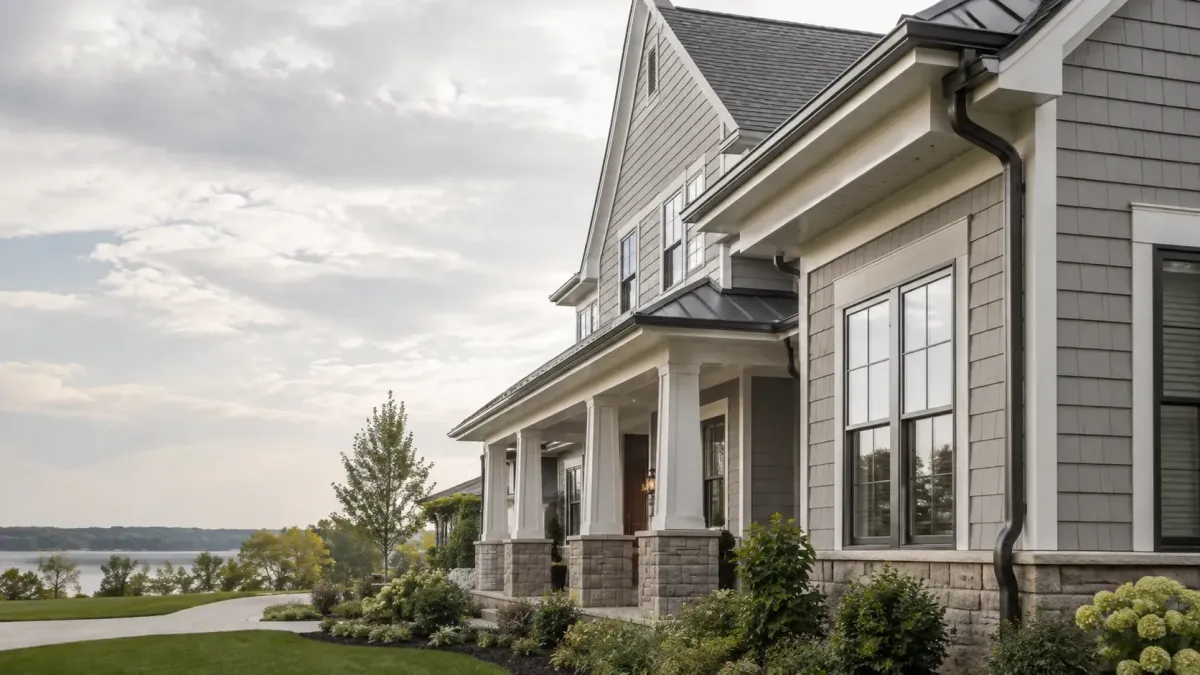
Repair here is mostly ranch and split level work, which sounds simple and has one wrinkle worth naming. Long low runs with a single outlet at one end are common in this housing stock, and when such a run loses even a small amount of fall it holds standing water along most of its length. Through a winter that standing water freezes, and the weight walks hangers out of the board a fraction at a time. So the first thing we check on a repair call here is the fall along the whole run with a level, not just the section that is visibly overflowing. Where a permit is needed for the wider work, we confirm first whether the address sits in Alpine Township or Plainfield Charter Township, because the two run separate desks.
Guards Under Mature Street Trees
Guards make a strong case on the older streets nearer the Grand River and along West River Drive, where mature trees stand over the roofline and homeowners are already clearing three times a year. Cutting that back to one visit changes the arithmetic quickly. Further out, on the newer subdivisions with little canopy above the roof, guards often cost more than the cleanings they save and we will say so. The other local factor is pitch. A lot of the ranch stock here has a shallow roof that does not shed hard, which suits micro mesh well, whereas a steep split level elevation can shed water clean over a covered trough in a downpour. We measure before recommending. We also flush and clear the trough before any guard goes on, because covering debris that is already sitting in the run guarantees a callback the first time the outlet blocks.

Replacement and Resizing Together
Replacement in Comstock Park is usually the moment to correct sizing rather than to repeat it. Much of this housing stock still carries the profile it was built with, and where a roof has been recovered since, water now arrives at the edge faster than the original system was designed to take. Taking the old run off is also the only time the board along the full elevation becomes visible, and on homes that have been overflowing at the same corner for years there is generally soft board waiting under the trough. We photograph it before covering it back up. Permit routing again depends on which township the address falls in, and we settle that before scheduling. In Alpine Township and Plainfield Charter Township alike, we confirm the permit route in writing before the schedule is set, and the new outlets are placed where the roof actually needs them rather than where the old ones happened to sit.
Gutter work for Walker and the Grand Rapids metro, scoped on site before anything is quoted.
Proudly serving Walker, Grand Rapids, Grandville, Comstock Park, Allendale and Jenison for years.
Comprehensive Gutter Services Services in Walker
Tailored to Your Needs
Ten services, and the difference between them is scope rather than sales. A blocked trough, a failed seam, a fascia board that has taken on water and a full seamless replacement are separate jobs with separate costs. Start with the one that matches what your roofline is doing.
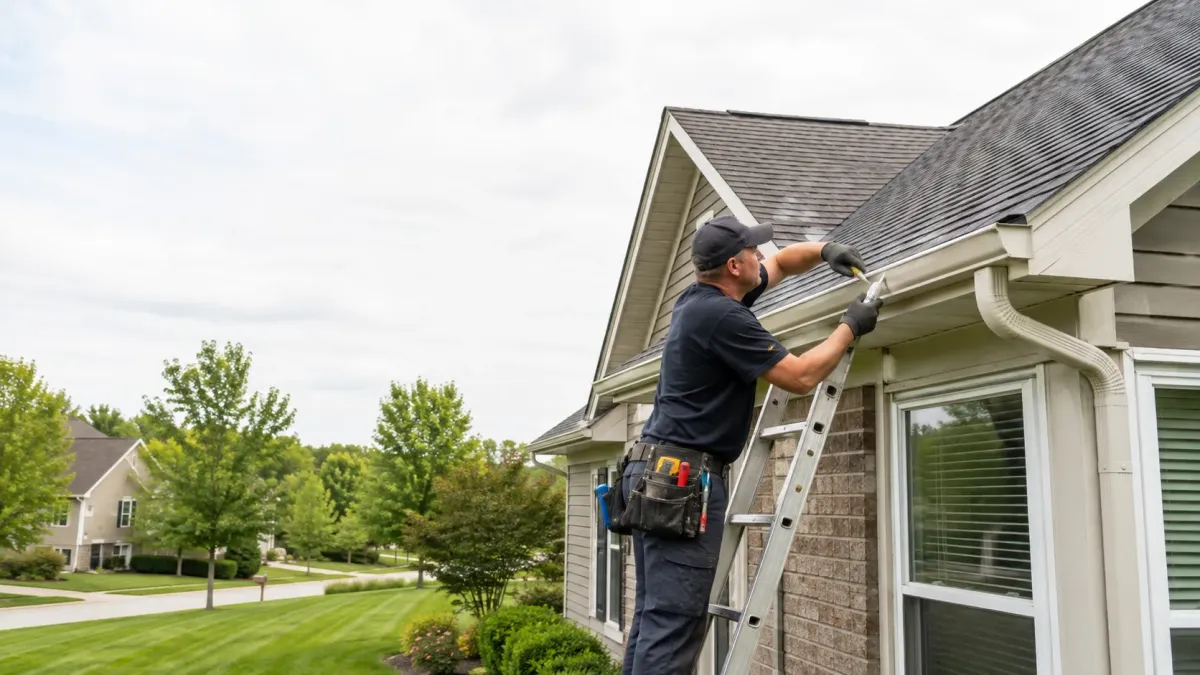
Repair establishes whether a run failed at the seam, the hanger, or the board.
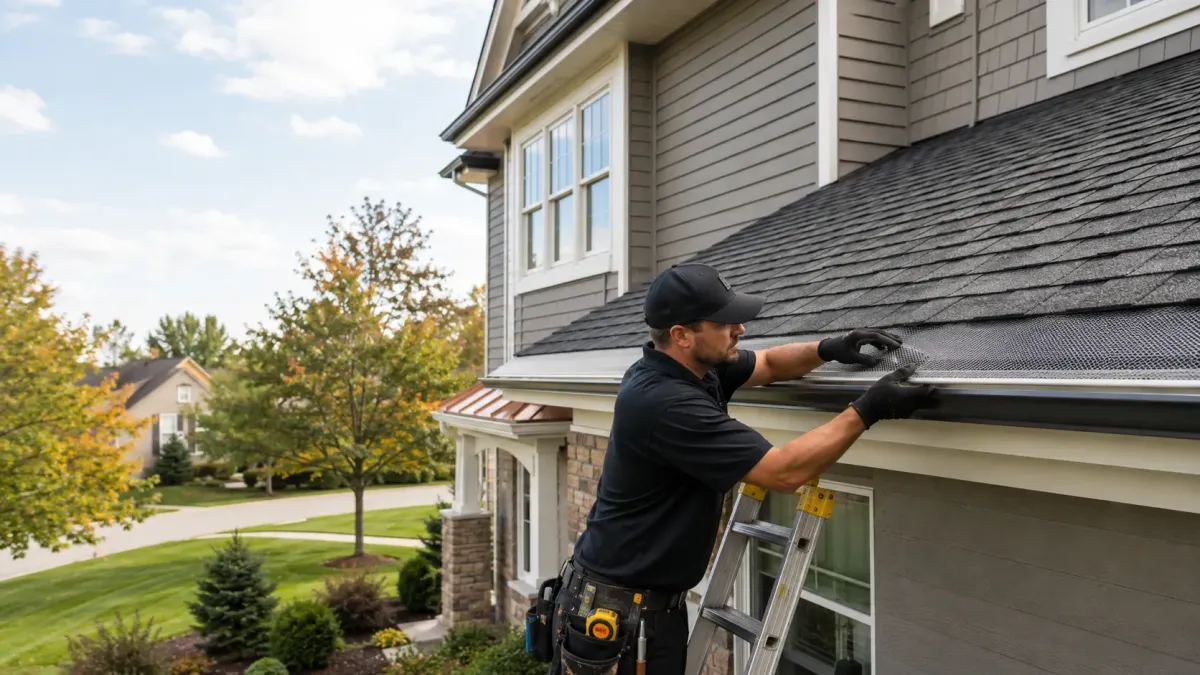
Guard selection determines how much debris stays out without shedding water past the trough.
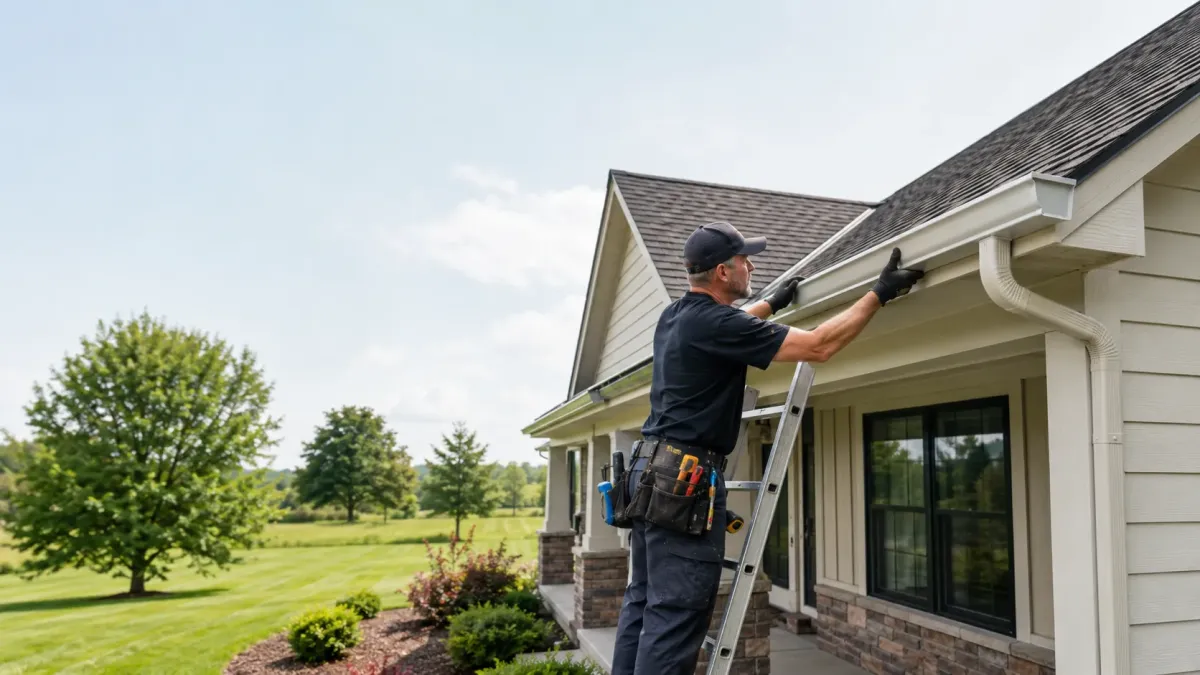
Replacement establishes new pitch, new outlets and sound board behind the entire run.
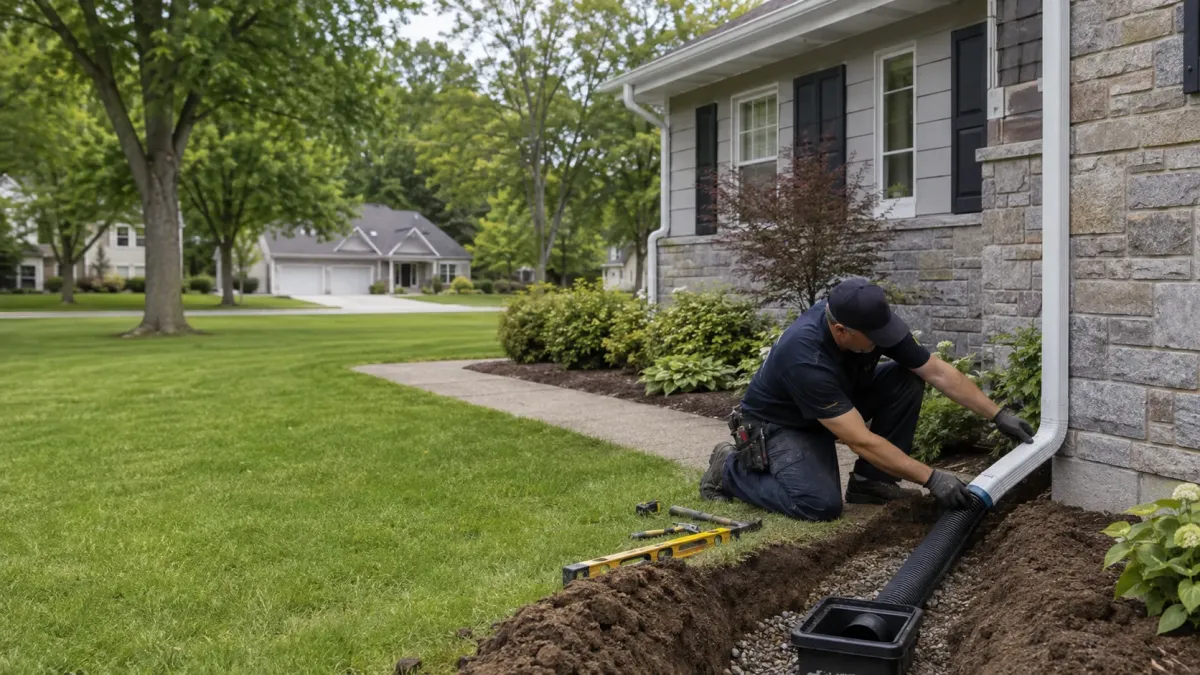
Downspout work determines where roof water actually leaves the property.
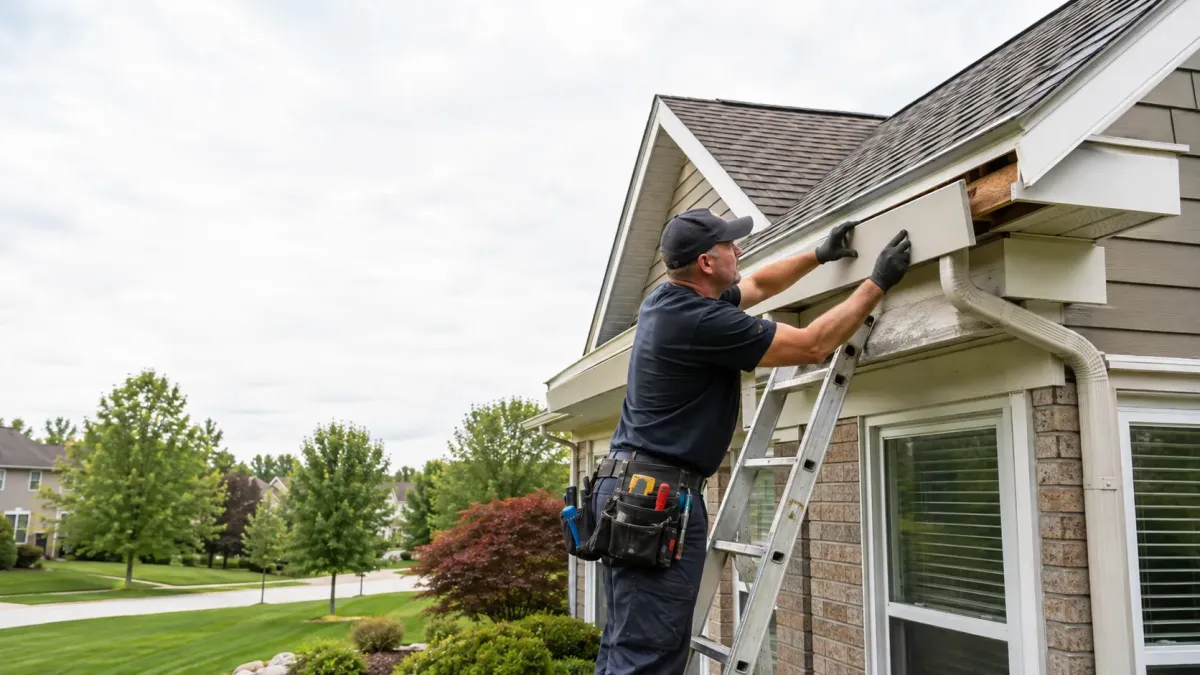
Fascia work restores the surface a gutter is fastened to and the venting behind it.
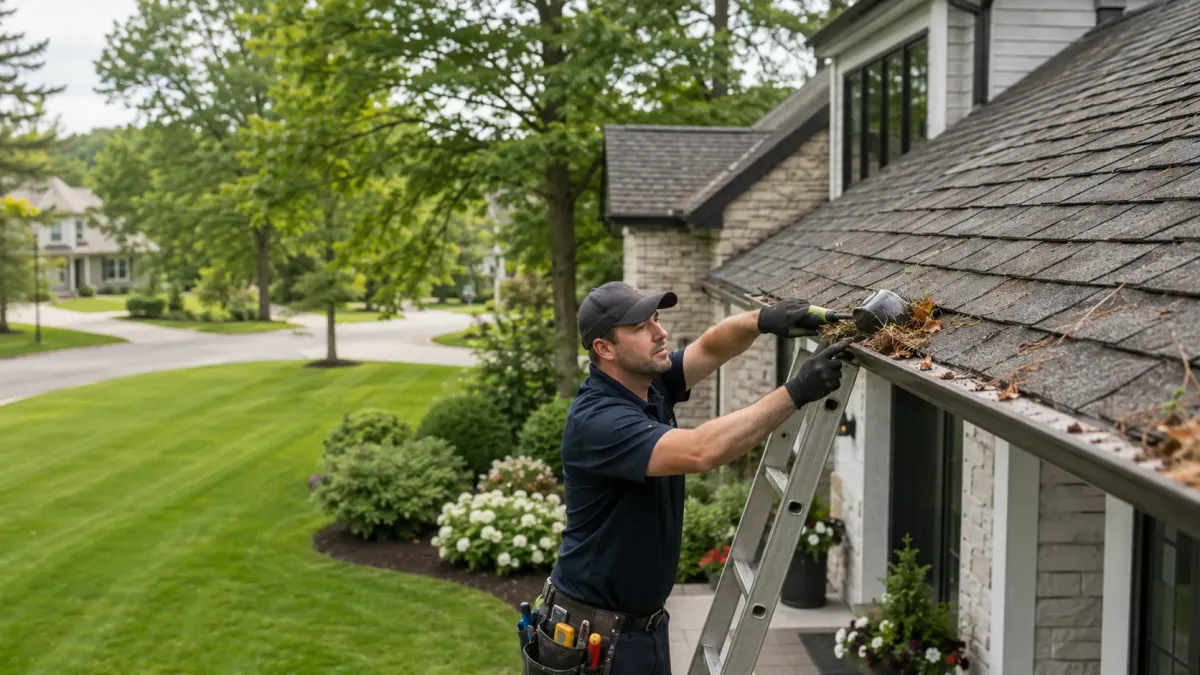
A cleaning clears the trough and shows what the run is doing under load.
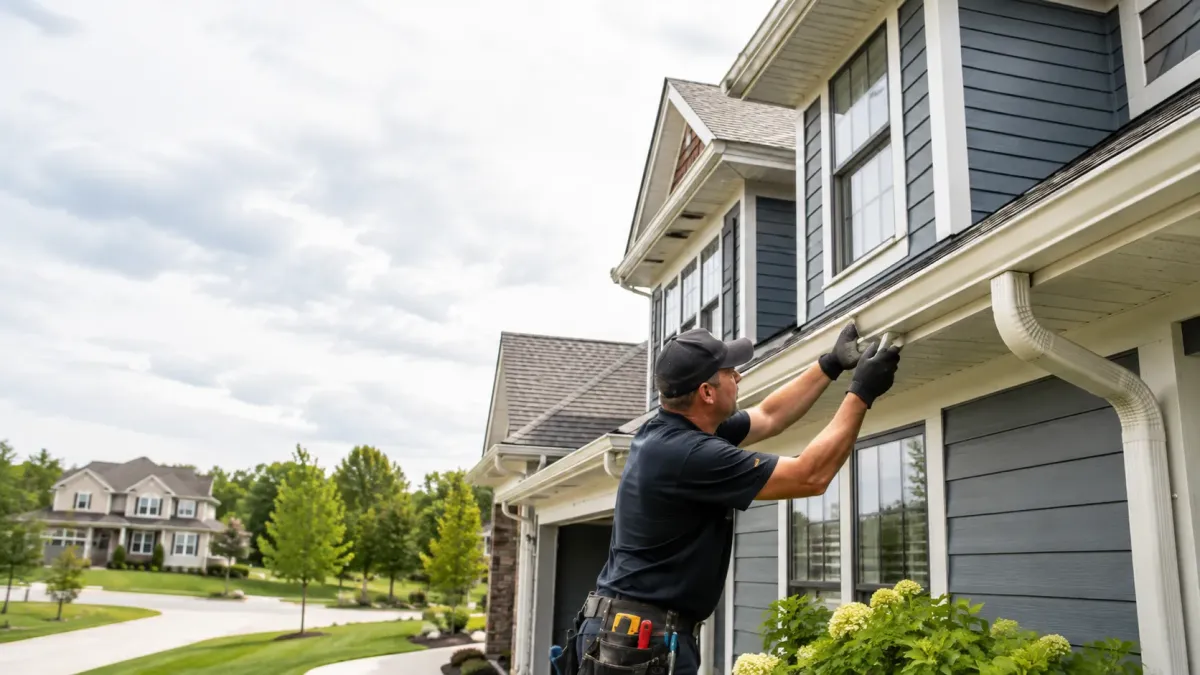
Seamless installation removes the mid-run joints that open as metal moves in winter.
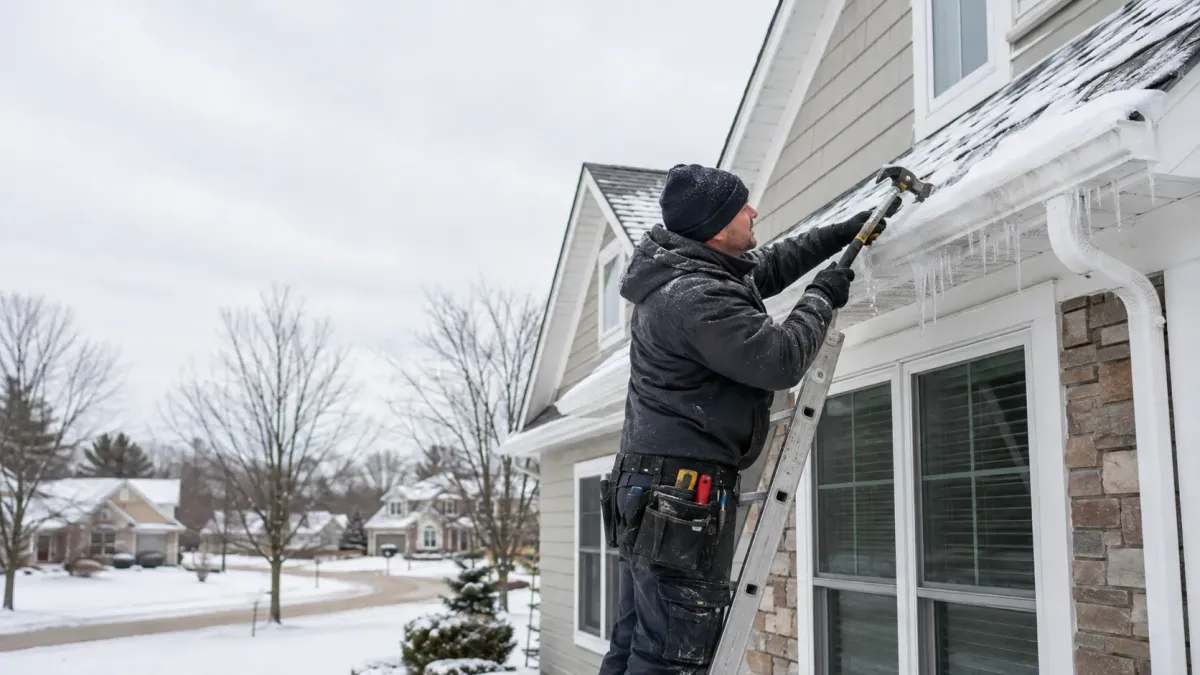
Ice work clears the eave and identifies why the dam formed there.
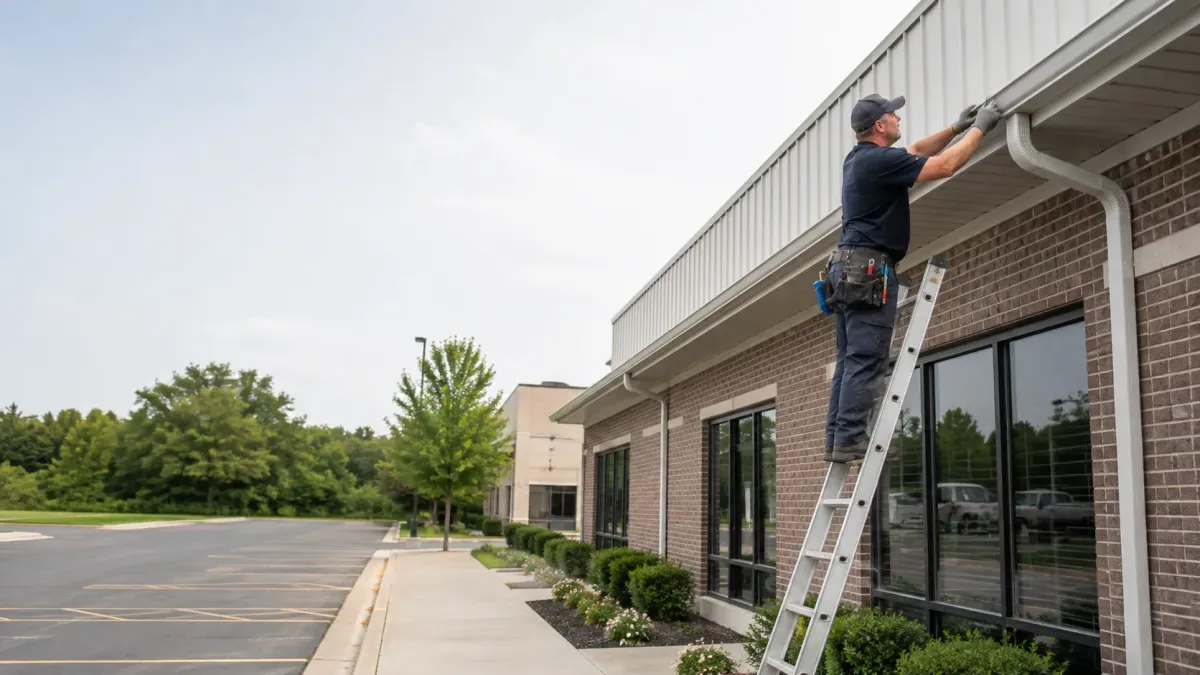
Commercial work sets a schedule and a written condition record for each building.
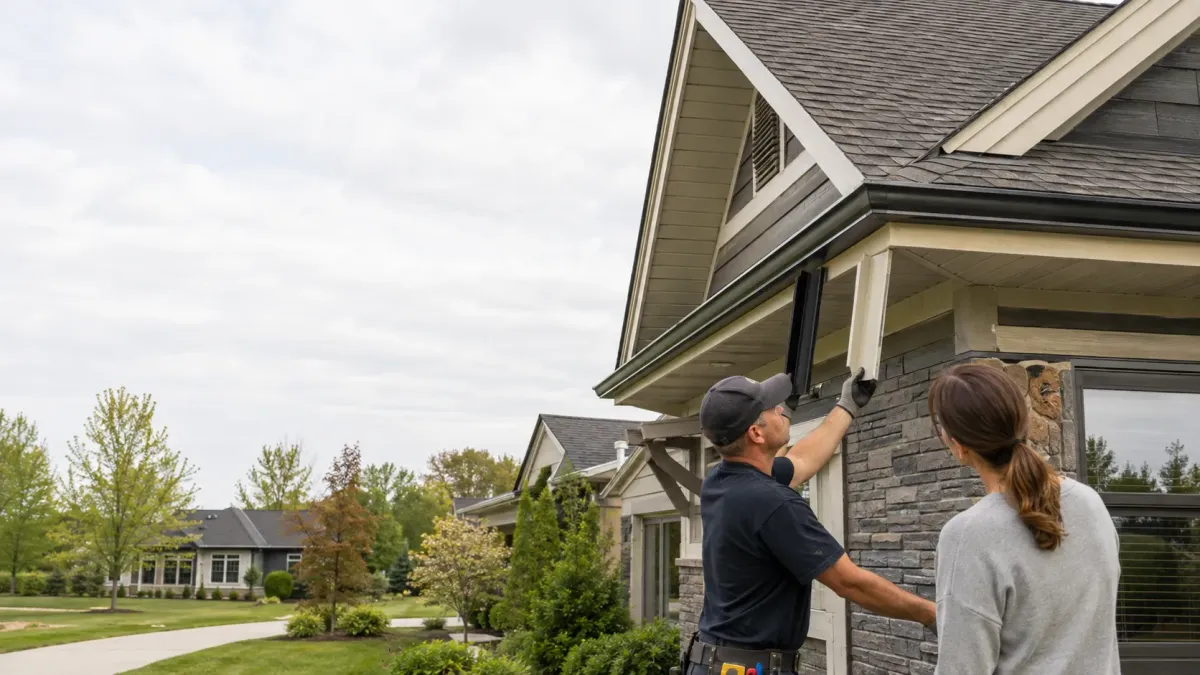
Material and profile choice sets service life, capacity and how the run looks.
Frequently Asked Questions
Gutter Services can be complex, and we’re here to provide answers to common questions. Here are some frequently asked questions from our clients.
Frequently Asked Questions about gutter cleaning grand rapids mi
How much should a gutter cleaning cost in Walker?
There is no single figure, because cost follows the total run of gutter, the height and pitch of the roof, and how compacted the debris has become. A single-story ranch with open troughs and a two-story with guards over packed leaf load are not comparable jobs. We price after seeing the roofline, and the number we give is the number on the invoice.
What is the best month to get your gutters cleaned in Michigan?
Plan on two visits, one in spring and one late in fall. The fall visit matters most here because anything left in the trough freezes solid and turns a drainage problem into an ice problem. Spring clears what came down over winter and lets you see what the ice actually did to the seams and hangers.
How often should gutters be cleaned in Michigan?
Twice a year covers most homes. Lots with mature oak and maple overhead often need a third pass in late November, after the last leaf drop but before anything freezes. If you are emptying troughs more often than that, the problem is usually pitch or an undersized downspout rather than the leaf itself.
What causes ice dams on gutters in Michigan?
Heat escaping through the roof melts snow at the ridge, the meltwater runs down and refreezes at the cold eave, and the ridge of ice that builds there holds the next melt behind it. Full or poorly pitched gutters make it worse by giving the ice a place to anchor. Clearing the trough before the first hard freeze is the cheapest thing you can do about it.
Do I need gutter guards in West Michigan?
It depends on what is above the roof and what the pitch is. Under heavy oak and maple canopy, a good screen or micro-mesh cuts cleanings back sharply. On a steep roof that already sheds well, guards can shed water straight over the trough in a downpour and cost you more than they save. We say which one you have before quoting the work.
What is the difference between seamless and sectional gutters?
Sectional gutter comes in lengths that are joined on site, and every joint is a seam that can open as the metal moves through freeze and thaw. Seamless is rolled to the length of the run on site, so the only joints are at corners and outlets. On long straight runs the difference in how long the system stays watertight is substantial.
Still Have Questions About gutter cleaning grand rapids mi?
Speak With a Trusted Gutter Services Expert Today.
What Our Satisfied Clients Have to Say About
We pride ourselves on delivering great results and experiences for each client. Hear directly from home and business owners who’ve trusted us with their Gutter Services needs.
The Trusted Gutter Services Expert Near You
Ready to hear more about expert services at ?
Contact us today to receive a detailed, no-obligation quote.


